
What Is a Personal Injury Psychological Evaluation?
This post reviews what a personal injury psychological evaluation assesses, what the process includes, and how an independent forensic psychologist can assist attorneys in civil litigation.

The Difference Between a Treating Psychologist and a Forensic Psychologist
This post explains the differences between a treating psychologist and a forensic psychologist, including their roles, confidentiality, objectivity, and when each type of psychologist is appropriate.

When Should a Law Enforcement Agency Request a Fitness-for-Duty Evaluation?
Fitness-for-duty evaluations help agencies address objective concerns about an employee's ability to safely perform essential job duties. Learn when these evaluations may be appropriate.

What Is a Fitness-for-Duty Evaluation?
This post explains what a fitness-for-duty evaluation is, when it's requested, and how forensic psychologists evaluate employees in safety-sensitive positions.


Competency vs. Insanity: What's the Difference?
This post highlights the difference between competency to stand trial and insanity (criminal responsibility).

What Is a Competency to Stand Trial Evaluation?
This post explains evaluations for competency to stand trial evaluation, how competency differs from mental illness, and what happens when competency is questioned in federal or Texas criminal cases.

Why Rest Feels Unsafe: Trauma, Chronic Stress, and the Pressure to Keep Going
This post explores why rest can feel uncomfortable or unsafe for people experiencing chronic stress or trauma, and how survival mode, cultural expectations, and nervous system dysregulation impact the ability to slow down.


The Mental Load: Why It Feels So Heavy, and How Culture Can Intensify It
Understand the meaning of “the mental load,” how cultural expectations can intensify invisible labor for BIPOC folks, and read about strategies for managing the mental load.

When Trauma Is Misread: Why Accurate Diagnosis Matters, Especially for BIPOC Clients
Many people of the global majority (BIPOC individuals) are misdiagnosed with Borderline Personality Disorder (BPD), Bipolar Disorder, and/or ADHD when trauma is the underlying issue. Here, I discuss how complex trauma (C-PTSD) is often overlooked and why accurate, culturally responsive diagnosis matters for effective mental health care.

What “Healthy Communication” Actually Means (and What It Doesn’t)
Healthy communication in relationships is often misunderstood. Learn what it actually means, why communication skills alone don’t fix conflict, and what creates real emotional connection.

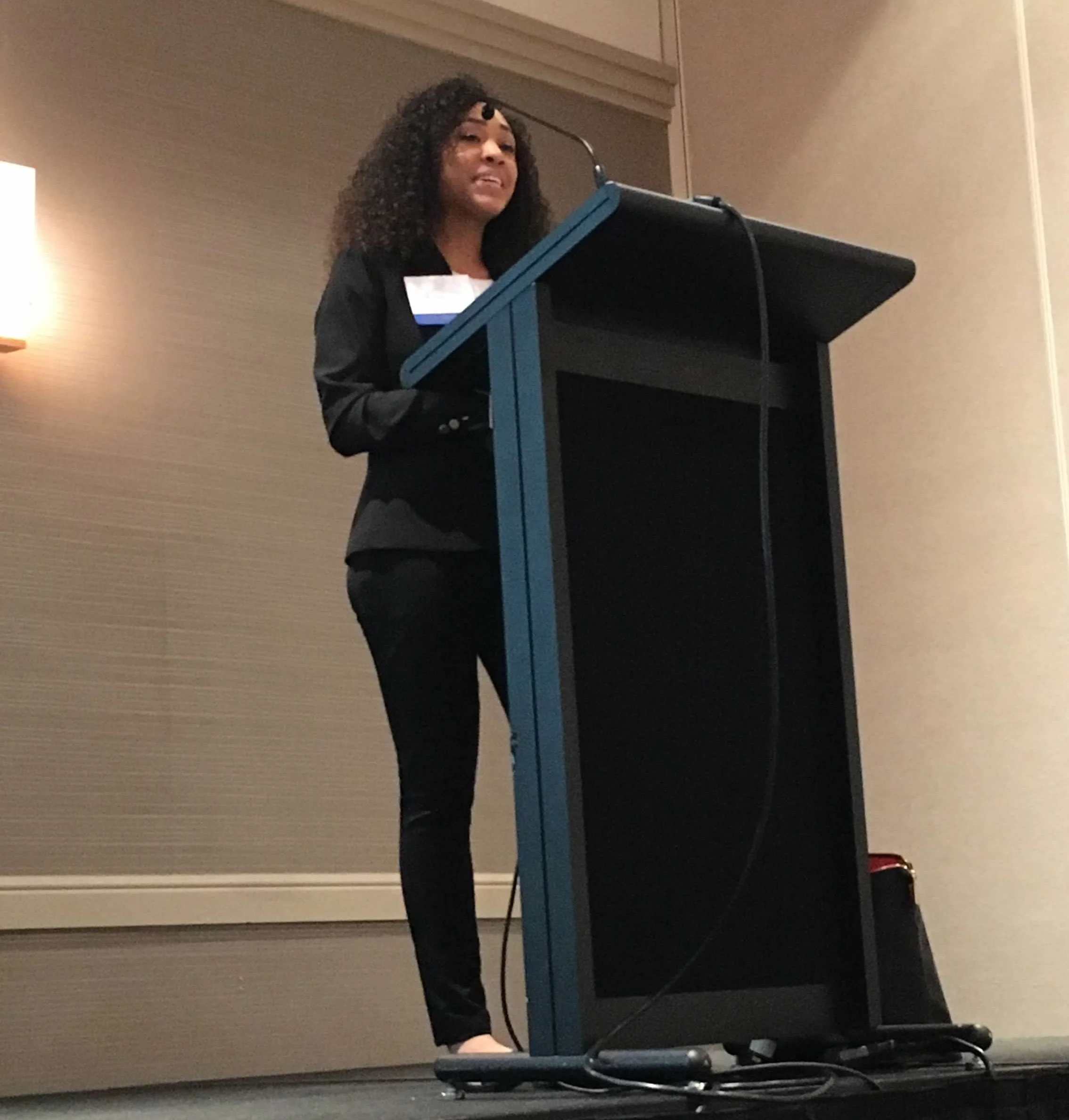
Navigating Systems Through a Cultural and Trauma-Informed Lens
Dr. Wilson discusses how culturally responsive, trauma-informed therapy integrates systems-thinking to support clients navigating challenges related to race, identity, and systemic barriers.

Why Do We Keep Having the Same Argument? Understanding Relationship Patterns
Why do couples repeat the same arguments? Couples therapy can help you learn how attachment styles, emotional triggers, and deeper patterns keep you stuck - and how to shift them.

Couples Therapy as a Space for Depth, Cultural Humility, and Real Change
This blog post explores how culturally humble, psychodynamic couples therapy helps partners understand conflict, attachment styles, and emotional patterns. Learn how the Four Horsemen impact relationships, how vulnerability strengthens connection, and how therapy supports deeper intimacy, trust, and long-term relational growth.

Why Culturally Sensitive Psychological Assessment Matters
Learn why culturally competent psychological assessment is essential for accurate diagnosis of ADHD, trauma, and personality patterns. Understand how cultural context shapes mental health evaluation.
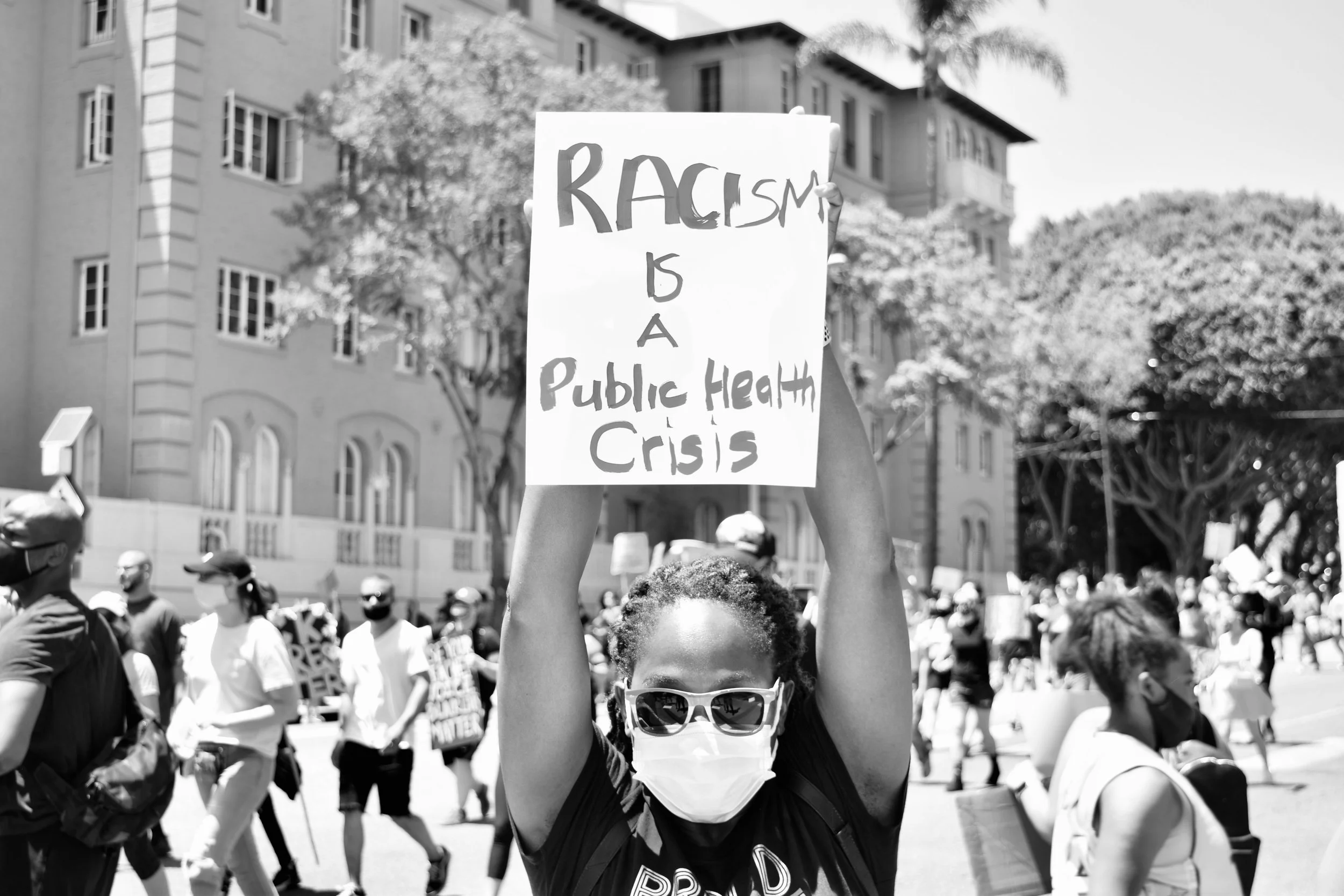
Racial Trauma: Signs, Symptoms, and How Therapy Can Help Heal Race-Based Stress
Racial trauma can impact mental and physical health through chronic stress, discrimination, and microaggressions. Learn the signs of racial trauma and how culturally responsive therapy can help.

Cultural Humility in Therapy: Why Recognizing Culture Matters
Explore why cultural competence is essential in therapy and how recognizing clients’ diverse backgrounds strengthens trust, healing, and mental health outcomes.

Therapy for BIPOC Individuals in Dallas, Texas: Breaking Stigma and Prioritizing Mental Health
Therapy for BIPOC individuals in Dallas and PSYPACT states. A culturally responsive space to heal from racial trauma and prioritize mental health.